
If you ride a motorbike in the UK, you’ve probably heard “his word against mine” more times than you can count. For years, that’s exactly how things played out after a crash. A car would pull out at a junction, clip a rider, and then give a completely different version of what happened. No independent proof meant insurers and courts had to guess, and riders almost always got the short end of it.
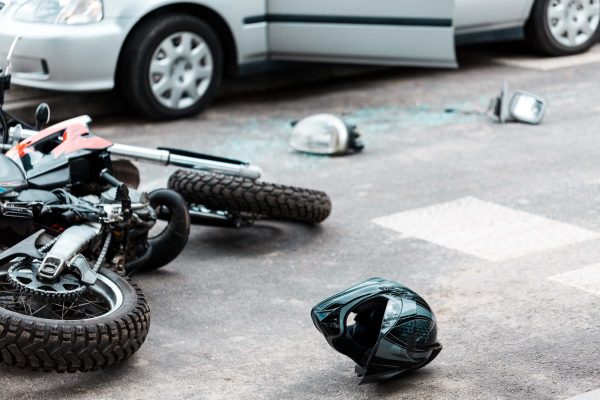
Even as dashcams started becoming ubiquitous, motorcycle riders were left behind (except the GoPro enthusiasts, of course). But things are changing. Tiny helmet and bike-mounted cameras are now giving riders something they’ve never really had before: a witness that doesn’t forget details or change its story. So how does footage actually tip things in a rider’s favour, and what should you know before you strap on a camera and head out?
Why Riders Have Always Been at a Disadvantage
Motorcycle crashes happen fast. They’re messy, and they’re hard to piece together after the fact. A car driver who didn’t check their mirror before changing lanes will often swear they did or claim “they came out of nowhere!” Without CCTV or a willing bystander, there’s nothing to prove otherwise.
On top of that, riders are up against a certain bias. There’s still a perception that motorcyclists are risk-takers, and that can influence how fault gets assessed. When two conflicting stories land on an insurer’s desk, the rider’s account doesn’t always come out on top.
Camera footage cuts through all of that. It shows exactly what happened, from the rider’s point of view, in real time.
What the Law Says About Helmet-Mounted Cameras
Recording footage in public places is perfectly legal in the UK. You don’t need anyone’s permission to film on a public road, and a court ruling in 2025 confirmed that submitting dashcam and helmet-cam footage to police doesn’t breach data protection laws. A retired solicitor tried to argue otherwise after being filmed using a mobile phone while driving, but the court threw it out.
You also don’t need to register with the Information Commissioner’s Office to use a camera on your helmet or handlebars. As long as you’re recording for personal safety or to document a journey, you’re on solid legal ground.
The one thing worth keeping in mind is storage. If you’re involved in an incident, save the original footage straight away. Don’t edit it, don’t trim it, don’t apply filters, and don’t compress it to a smaller file size. Insurers and courts will want the raw file, and tampered footage can actually be used against you.
Police Forces Now Accept Rider Footage
Most UK police forces now have online portals where riders and drivers can upload camera footage of dangerous driving. The National Dash Cam Safety Portal, developed by Nextbase, covers forces across England, while Scotland launched its own system after pressure from road safety groups. In total, online submission systems now operate across more than 40 of the 45 police force areas in the UK.
These portals accept footage from helmet cams, handlebar-mounted cameras, and action cameras like GoPros. You don’t need a dashcam specifically. The footage just needs to be clear and unedited, and you’ll want to submit it within a reasonable timeframe, usually 10 days of the incident.
How Footage Strengthens a Non-Fault Claim
This is where it gets properly useful. When a rider is involved in a crash that wasn’t their fault, clear footage can settle the liability question almost immediately. Instead of weeks of back-and-forth between insurers arguing over who did what, the video makes it obvious.
That speed matters. Once liability is established, a claims specialist can get to work arranging repairs and sorting out a like-for-like replacement bike while recovering costs from the at-fault driver’s insurer. For riders dealing with motorcycle accident claims, footage often means the difference between a drawn-out dispute and a claim that moves quickly from day one.
Without footage, riders can end up stuck in limbo. The other driver’s insurer denies fault, and suddenly you’re the one paying an excess and losing your no-claims bonus while you wait weeks for any kind of resolution. Camera evidence pulls the rug out from under the other side completely.
Best Practice for Mounting and Recording
Not all footage is created equal. A badly mounted camera that shakes constantly or records in low resolution won’t carry much weight. Here are a few things that’ll make your footage genuinely useful:
- Mount the camera securely. Chin mounts tend to produce the most stable, forward-facing footage. Top-of-helmet mounts can wobble and distort the view.
- Use at least 1080p resolution. You need to be able to read number plates clearly. 720p often isn’t enough, especially in poor light.
- Enable loop recording. This keeps the camera recording constantly, overwriting old footage automatically so you never run out of storage at the wrong moment.
- Back up footage after every ride. If something does happen, you don’t want to risk losing the recording because the memory card was full or corrupted.
When Footage Doesn’t Tell the Full Story
Camera evidence is powerful, but it won’t cover everything. A helmet cam captures what’s in front of the rider, which means it might miss a vehicle approaching from behind or from a blind spot. It also won’t pick up road surface conditions underneath you unless you angle the camera downwards, which defeats the purpose.
There are also situations where footage shows the rider was partially at fault, maybe travelling a bit too fast or filtering in a way that contributed to the collision. In those cases, the footage still helps because it establishes the facts, but it could lead to a split liability outcome instead of a clean win.
A Stronger Position on Every Ride
A few years ago, a helmet cam was a niche bit of kit mostly used by vloggers and track day enthusiasts. Now, it’s one of the most effective tools a UK rider can carry. It protects you against false claims, it speeds up the process when you need to make a claim, it gives police the evidence they need to act on dangerous driving, and it can save you from losing your no-claims bonus over someone else’s mistake.
A decent camera will cost you a fraction of what a disputed insurance claim could end up running you. For any rider who’s ever been told “we can’t determine fault,” that alone should make the decision easy.

Darren has owned several companies in the automotive, advertising and education industries. He has run driving theory educational websites since 2010.