
The international regulations governing dangerous goods transport, known as ADR, play a significant but often overlooked role in protecting our environment and helping mitigate climate risks. While ADR’s primary focus is safety, many of its requirements directly and indirectly contribute to reducing the environmental impact of transporting hazardous materials.
Vehicle Standards and Emissions
At the heart of ADR’s environmental benefits are its strict vehicle standards. Vehicles carrying dangerous goods must meet specific technical requirements and undergo regular testing. These standards ensure that tanks and containers are properly maintained, reducing the likelihood of leaks or spillages that could harm the environment. Additionally, because ADR-compliant vehicles must be kept in top condition, they tend to run more efficiently, potentially reducing fuel consumption and associated emissions.
Smart Loading Requirements
ADR’s loading requirements also contribute to environmental protection. The regulations stipulate maximum fill levels for tanks and proper stowage methods for packaged goods. These requirements prevent overloading, which not only improves safety but also optimises fuel efficiency. When vehicles are loaded correctly according to ADR guidelines, they operate more efficiently and use less fuel per journey.
Spillage Prevention and Response
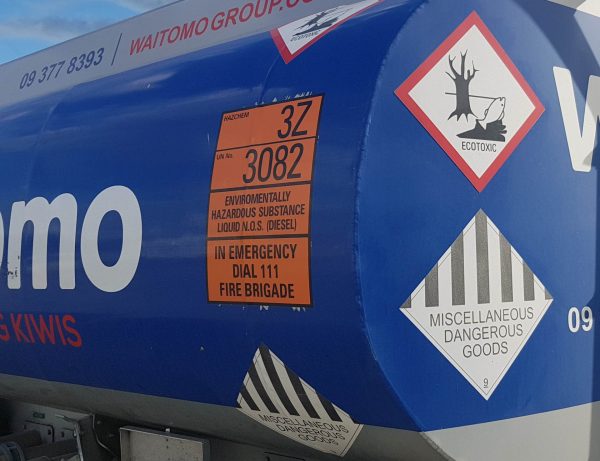
Perhaps the most direct environmental benefit comes from ADR’s comprehensive requirements for preventing and responding to spillages. Drivers must carry specific equipment for containing spills, and they receive training in environmental protection procedures. This is particularly important for substances classified as environmentally hazardous, which carry the “dead fish and tree” marking under ADR regulations.
The Modern Approach
Recent updates to ADR have strengthened its environmental provisions. For instance, the regulations now include specific requirements for environmentally hazardous substances in line with GHS (Globally Harmonised System) criteria. This means that any dangerous goods meeting these criteria must be treated with additional environmental precautions, regardless of their primary hazard classification.
Training and Awareness
ADR’s mandatory driver training includes specific modules on environmental protection and waste control. Drivers learn about their responsibilities in preventing environmental damage and the proper procedures for handling incidents that could impact the environment. This training creates a workforce that is more environmentally conscious and better prepared to prevent ecological damage.
Future Developments
As climate concerns grow, ADR continues to evolve. The regulations are updated every two years, with environmental considerations playing an increasingly important role in these revisions. This regular update cycle ensures that the regulations can adapt to new environmental challenges and incorporate emerging best practices for sustainable transport.
Looking ahead, ADR’s role in environmental protection is likely to become even more significant as the transport industry faces increasing pressure to reduce its environmental impact. While the regulations may have been conceived primarily for safety, their contribution to environmental protection demonstrates how safety and sustainability often go hand in hand in modern transport operations.
The regulations serve as a reminder that environmental protection in transport isn’t just about vehicle emissions; it’s about comprehensive systems and standards that work together to prevent environmental damage across all aspects of dangerous goods transport. Through ADR, the industry has a framework that helps ensure dangerous goods can be transported safely while minimising impact on our environment.

Darren has owned several companies in the automotive, advertising and education industries. He has run driving theory educational websites since 2010.