
If you’re buying a car privately, checking the number plate is important. It connects the car with its registration identity. A simple verification can reveal inconsistencies between the vehicle, its documents plus the seller’s description.
The number also matters after purchase. VinInspect explains what to do when you lost your plate number by checking records that may contain it. These include vehicle registration paperwork plus insurance information. The guide also explains how a VIN can assist when identifying vehicle details without physical access to the car.
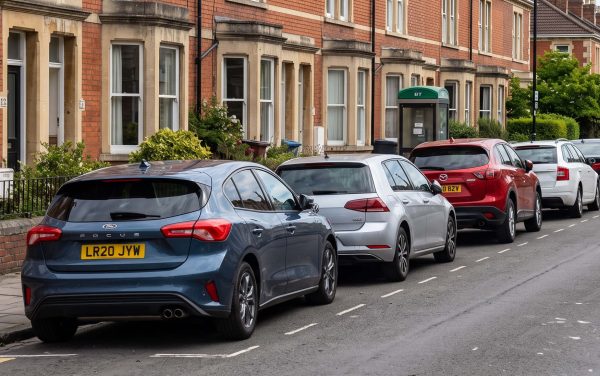
Why Check the Plate Before Buying?
Start by comparing the plate number with the registration document. Check that the make plus model corresponds with the car being inspected.
The VIN deserves the same attention. Unlike a plate that can change under certain circumstances, this identifier belongs to the physical motor vehicle. Matching both provides a stronger identity check.
A mismatch does not automatically indicate theft. The old plate might have been replaced after damage. A personalised number may have been removed. Still, an unexplained difference deserves attention before the transaction continues.
| Check | Purpose |
| Plate | Confirms displayed registration |
| VIN | Identifies the individual vehicle |
| Document (e.g. V5C) | Supports ownership research |
| Physical inspection | Finds visible problems |
Look Closely at the Physical Plate
Inspect more than the characters. Check how the license plate is fitted plus whether it has unusual alterations. A cracked plate could simply reflect parking damage. A new plate could indicate an ordinary replacement. Ask why the change happened. Check whether one plate looks significantly newer than the other.
Also examine the plate type plus its display. Strange spacing or altered characters deserve questions. A seller should provide a sensible explanation for recent changes. This matters because criminals sometimes steal registration plates for use on another car. Stolen plates therefore deserve serious attention.
What Happens When Plates Are Lost or Stolen?
Procedures depend on jurisdiction. In the United Kingdom, it’s illegal to drive on a public road without a front and rear number plate.
If a plate was stolen, contact police on 101 and get a crime reference number. It’s important to do this quickly before the plate can be used for another crime.
When a plate has been lost rather than stolen, you must go to a DVLA-registered number plate supplier, show proof of your identity (passport, driving licence, bank statement or utility bill), and proof you’re allowed to use that number (e.g. from the V5C vehicle logbook, V5C/2 green slip, or V750 certificate).
How Plate Replacement Can Work in the UK
If you don’t know where your closest DVLA number plate supplier is, you can use their official online search tool. There’s a wide network of providers, including parts suppliers such as Halfords, and local registered garages.
Let them know whether you need just the front or back, or both. Most registered shops should have the plates in your hands within 15 minutes or so.
A replacement plate doesn’t come with the screws to fix it to the car, so you might need to purchase those, too – they come in a number plate fixing kit which is colour-coded to the front or rear. You will need to use a template to drill in the correct place (or place another plate on top so you know where the holes should be). When drilling, use a 4-5mm high-speed steel (HSS) or acrylic drill bit. Don’t use a masonry bit as they’re likely to shatter the plate. Put a wooden block behind the plate to support it while you drill. Use a low-to-medium speed.
Or, you can use double-sided adhesive pads (these are now recommended and preferred because there’s no risk of cracking the plate. Pull off any remaining part of the old plate and use a flat plastic scraper or credit card to peel away the old sticky foam. WD-40 or something similar will get rid of any residue. Then wash it with warm, soapy water to get rid of road grime. Dry the surface, then wipe it down with alcohol prep wipe or rubbing alcohol; the pads won’t stick if there’s any moisture, dust or wax left on the car.
The kit should contain 3-4 heavy duty vertical strips. Evenly place these across the back of the number plate. Vertical placement allows rainwater to drain between them. They contain a pressure-sensitive adhesive. Push down on the sticky pads for 30 seconds to activate the glue. Peel off the backing paper, then carefully align the plate and press it firmly onto the bumper. Keep the pressure there for at least a minute to let it bond.
Don’t do this in freezing temperatures because the glue won’t bond. If you need to fit it in cold weather, use a hair dryer to gently warm up the car bumper and the back of the plate before sticking on the pads.
Do not try to personalize a standard plate by changing its characters. The number assigned through vehicle registration should remain accurate.
A Practical First Car Checklist
Before completing the purchase, check these points.
- Record the registration plus plate number.
- Compare the plate with the seller’s paperwork.
- Confirm that the VIN matches the car.
- Look for physical plate damage.
- Ask why a new plate was fitted.
- Investigate unexplained registration differences.
- Keep purchase records after payment.
These checks take little time. They can prevent a frustrating delay after purchase.
A first-time buyer should also ask whether any private registration will remain with the vehicle. Never assume a personalised plate forms part of the sale.
When Should a Buyer Walk Away?
One irregularity may have an innocent explanation. Several conflicting details deserve more caution.
Consider delaying the purchase if the seller cannot explain why the registration differs from the paperwork. The same applies when the VIN appears inconsistent or identifying information seems altered.
Buying first plus investigating later reverses the sensible order.
The risk is not limited to losing money. Registration problems could create insurance complications, a ticket or difficulty proving which vehicle was actually purchased. Serious unresolved issues might even contribute to registration suspension depending on local law.
Conclusion
The plate is one of the easiest details to inspect when buying a first car. Check its number. Compare it with registration records plus the VIN. Ask about any replacement.
After purchase, keep the license number plus paperwork secure. If a plate becomes lost or stolen, notify the relevant authority promptly. Follow local rules to replace your plates rather than improvising a substitute.
A first car should bring independence. A careful plate check helps ensure that excitement starts with the right vehicle.
Frequently Asked Questions
Can a driver get new plates immediately?
Yes, if you have the right documentation and proof you can usually have new plates within half an hour.
Does a replacement change the registration number?
No. The registration number is part of the vehicle’s history. You can only get a new number if you purchase a personalised registration.
Is there a deadline for replacing a missing plate?
It’s against the law to drive without a number plate, so you need to replace it immediately.

Darren has owned several companies in the automotive, advertising and education industries. He has run driving theory educational websites since 2010.