
Passing your driving test is a big step. It gives you freedom, independence, and more control over your daily routine. Once the excitement settles should you buy your first car (if you don’t have one yet), or should you sell the car you learned in and put the money toward something more suitable?
The right answer depends on your budget, your driving needs, and the cost of keeping a car on the road. I always suggest thinking beyond the purchase price. Insurance, fuel, servicing, repairs, MOT costs, road tax, and parking can all affect your decision.
For a new driver, the smartest choice is not always the newest car or the cheapest car. It is the car that fits your lifestyle without putting too much pressure on your money.
Think About How You Will Use the Car
Before buying or selling, start with your real driving needs. A driver who needs a car every day for work will have different priorities from someone who only drives on weekends.
Think about your daily routine. You may need a small car for town driving, a reliable car for longer commutes, or something simple and low-cost while you build confidence. If you live in a busy area, easy parking and good visibility may matter more than extra features.
A first car should be practical. It should be easy to drive, affordable to insure, and simple to maintain. Many new drivers make the mistake of choosing a car based on looks alone. That can lead to high insurance costs, expensive repairs, or poor fuel economy.
Buying Your First Car After Passing
Buying your first car can make sense if you need regular transport. It gives you the chance to practise, gain confidence, and become more comfortable driving without an instructor beside you.
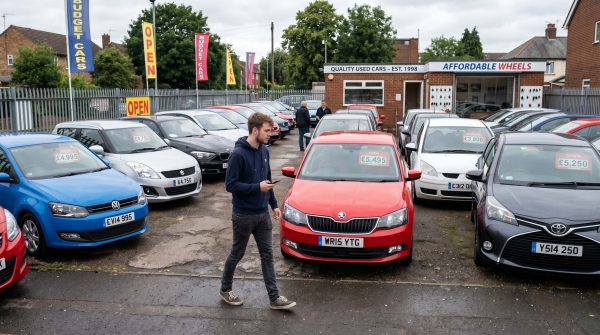
For most new drivers, a used car is often a sensible option. New cars usually cost more, and they can lose value quickly. A well-kept used car with a clear service record may give you better value, especially while you are still building experience.
Before buying, check the car’s MOT history, mileage, service records, tyre condition, brake condition, and insurance group. You should also check whether there is any outstanding finance on the vehicle. A car may look affordable at first, but hidden issues can make it costly later.
It is also wise to get insurance quotes before you agree to buy. New drivers often face higher premiums, and the type of car can make a big difference. A car with a low asking price may still be expensive if the insurance cost is too high.
Selling a Car Before Buying Another One
Some new drivers already have access to a car. It may be an older learner car, a family car, or a vehicle that no longer fits their needs. In that case, selling before buying another car can help create a clearer budget.
Selling first can show you how much money you have available for your next vehicle. It may also help you avoid paying for two cars at the same time. That matters because insurance, taxes, servicing, and repairs can add up quickly.
There are different ways to sell a car in the UK. A private sale may bring a better price, but it can take more time. You may need to prepare photos, write a listing, speak to buyers, arrange viewings, and handle payment safely. Some buyers may try to negotiate heavily or fail to turn up.
A dealer part-exchange can feel simpler, but the offer may be lower than selling privately. Online car buying services are another route.
For example, Webuyanycar allows drivers to enter their registration and mileage to receive an online valuation. The website explains that sellers can then book an appointment, have the car checked, and receive a final offer based on the vehicle’s condition.
This type of service may suit people who want a faster process with less admin. It may not be the best choice for everyone, so it is still worth comparing more than one option before making a decision.
Understanding the Car Selling Process in the UK
The selling process can feel confusing the first time. That is normal. You need to know your car’s value, prepare the right documents, decide where to sell, and make sure the payment is safe.
Your V5C logbook, MOT details, service history, spare keys, and any repair receipts can help make the sale smoother. A clean car with clear photos and honest information is also more likely to attract serious buyers.
If you are researching the car selling process UK, it helps to compare private sales, dealer offers, part-exchange options, and online valuation services. Each route has pros and cons.
A private sale may take longer, but it may give you more control over the price. A car buying service may be quicker, but the final offer can depend on an inspection.
The main point is to choose the option that fits your situation. If you need speed and convenience, your choice may be different from someone who has time to wait for the best private buyer.
Plan the Full Cost of Driving
After passing your test, it is easy to focus only on the car itself. But owning a car brings ongoing costs. Insurance is often the highest cost for new drivers, but it is not the only one.
You also need to think about fuel, MOT tests, servicing, repairs, tyres, breakdown cover, parking, and road tax. Even small costs can become stressful if you have not planned for them.
A good rule is to leave some money aside after buying the car. Spending your full budget on the purchase can leave you stuck if the car needs tyres, brakes, or a service soon after.
Choose Safety and Reliability Over Style
Your first car should help you become a safer and more confident driver. It should not make driving harder or more stressful.
Good visibility, reliable brakes, working lights, clean tyres, and simple controls are all more useful than flashy extras. A smaller car can also be easier to park and manage in traffic.
Safety features are worth considering, too. Stability control, parking sensors, airbags, and a strong safety rating can all help. They will not replace careful driving, but they can give useful support while you are gaining experience.
Do You Need to Buy Straight Away?
You do not have to buy a car the moment you pass your test. Some drivers benefit from waiting, saving more money, and practising in a family car first.
Buying right away may be sensible if you need a car for work, college, or daily travel. Waiting may be better if insurance quotes are too high or your budget is tight.
There is no single right answer. The best decision is the one that keeps you mobile without creating financial stress.

Darren has owned several companies in the automotive, advertising and education industries. He has run driving theory educational websites since 2010.